
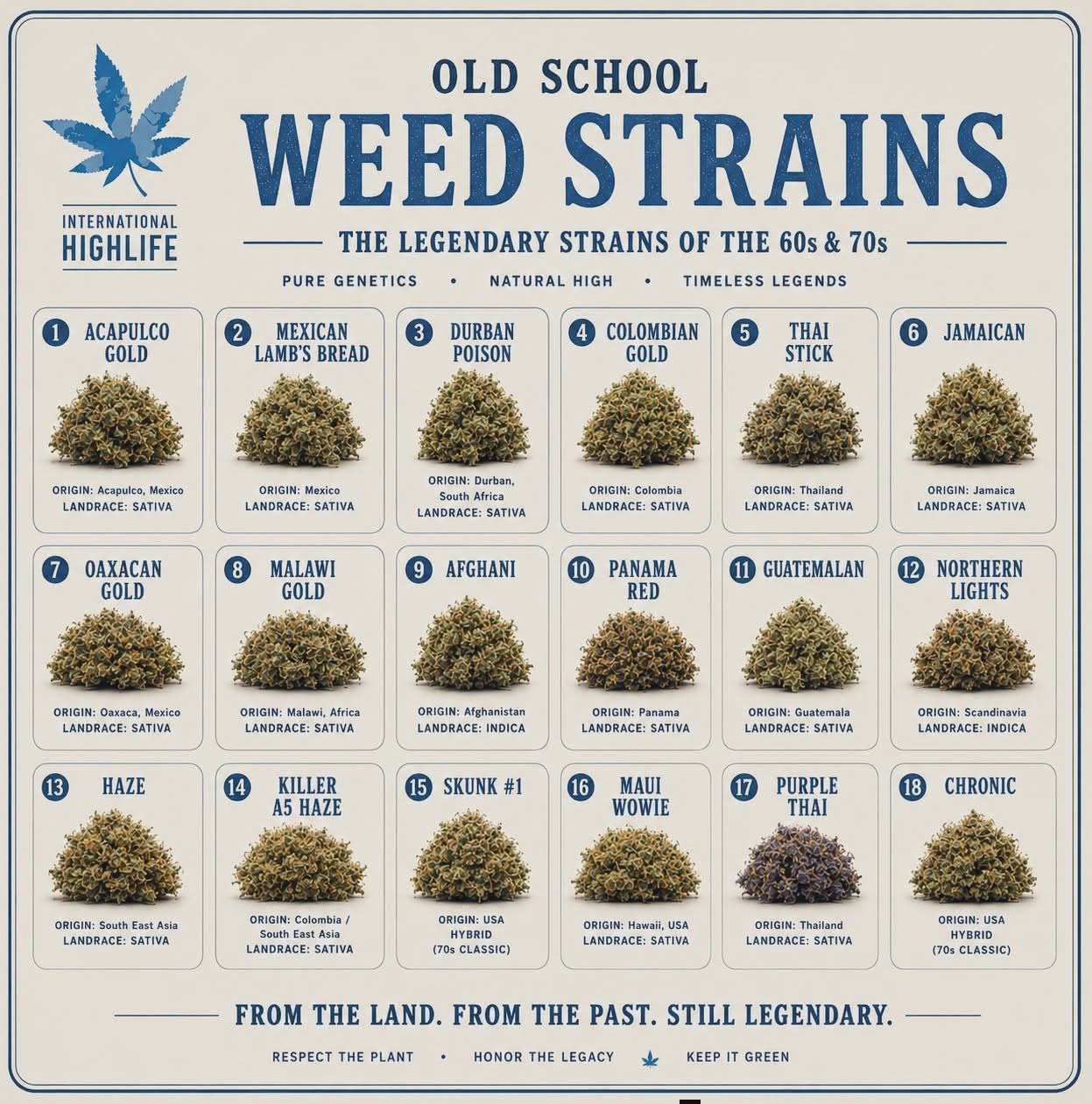
Before the era of Cookies, Gelato, Runtz, and countless designer hybrids, a handful of legendary cannabis strains laid the foundation for almost every modern cultivar we enjoy today. During the 1970s, 1980s, and 1990s, breeders around the world worked with landrace genetics and carefully selected plants to create stable, powerful varieties that would forever change cannabis culture.
Many of today’s most popular strains can trace their lineage directly back to these pioneering genetics. Let’s take a look at some of the most influential cannabis strains of all time.
Skunk #1 – The Blueprint for Modern Hybrids
Few strains have had as much impact on cannabis breeding as Skunk #1. Developed in the late 1970s by the legendary Sacred Seed Collective in California, Skunk #1 combined genetics from Afghani, Acapulco Gold, and Colombian Gold.
The result was a stable hybrid with vigorous growth, reliable flowering times, high yields, and a distinctive pungent aroma that became known simply as “skunk.”
When cannabis genetics began spreading from North America to Europe during the 1980s, Skunk #1 quickly became a favorite among breeders and growers. Its stability made it ideal for creating new hybrids, and countless modern strains contain Skunk genetics somewhere in their family tree.
Even today, Skunk #1 remains one of the most important breeding projects ever completed.
Durban Poison – South Africa’s Gift to the Cannabis World
Originating from the port city of Durban in South Africa, Durban Poison is one of the world’s most famous landrace-derived sativas.
The strain gained international recognition thanks to breeders who preserved and refined the genetics while maintaining the energetic, uplifting effects that made it famous. Durban Poison is known for its sweet, spicy aroma, vigorous growth, and clear-headed cerebral effects.
What makes Durban Poison especially important is its contribution to modern breeding programs. Many contemporary strains utilize Durban genetics to introduce vigor, resin production, and unique terpene profiles.
As one of the few pure sativas widely available today, Durban Poison remains a living piece of cannabis history and an important part of South Africa’s cannabis heritage.
Haze – The Legendary Sativa
Haze emerged in California during the 1970s and quickly became one of the most sought-after cannabis varieties in the world.
Unlike the heavier indica varieties available at the time, Haze offered soaring cerebral effects and complex aromas unlike anything growers had experienced before. The original Haze is believed to have been developed using genetics from Colombia, Mexico, Thailand, and South India.
Although difficult to grow and requiring long flowering periods, Haze became the foundation for some of the most influential breeding projects in history.
European seed companies later used Haze genetics to create classics such as Super Silver Haze, Neville’s Haze, and many other award-winning cultivars. Today, Haze genetics continue to influence breeding programs around the globe.
Afghani – The Resin King
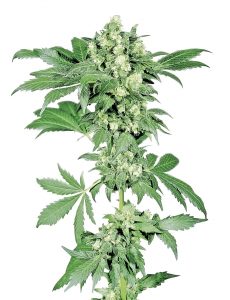 Afghani cannabis originates from the mountainous regions of Afghanistan, where cannabis has been cultivated for centuries for hashish production.
Known for its broad leaves, compact structure, rapid flowering, and exceptional resin production, Afghani became one of the most valuable breeding tools available to cannabis breeders.
During the 1970s and 1980s, breeders imported Afghani genetics to Europe and North America, where they were used to improve flowering times, increase potency, and boost yields.
Many of the world’s most famous indica strains—including Northern Lights, Skunk hybrids, and countless modern varieties—owe much of their success to Afghani genetics.
Without Afghani, modern cannabis breeding would look very different.
Colombian Gold – The Golden Standard
Before indoor cultivation became widespread, Colombian Gold was one of the most respected cannabis strains in the world.
Originating from the Santa Marta mountains of Colombia, this legendary landrace became famous during the 1960s and 1970s for its golden appearance, sweet aroma, and uplifting effects.
Colombian Gold played a crucial role in the development of many early hybrid breeding projects, including Skunk #1. Breeders valued its potency, vigor, and unique terpene profile.
Although pure Colombian Gold is increasingly rare today, its genetic influence remains alive in countless modern strains.
Why These Strains Still Matter
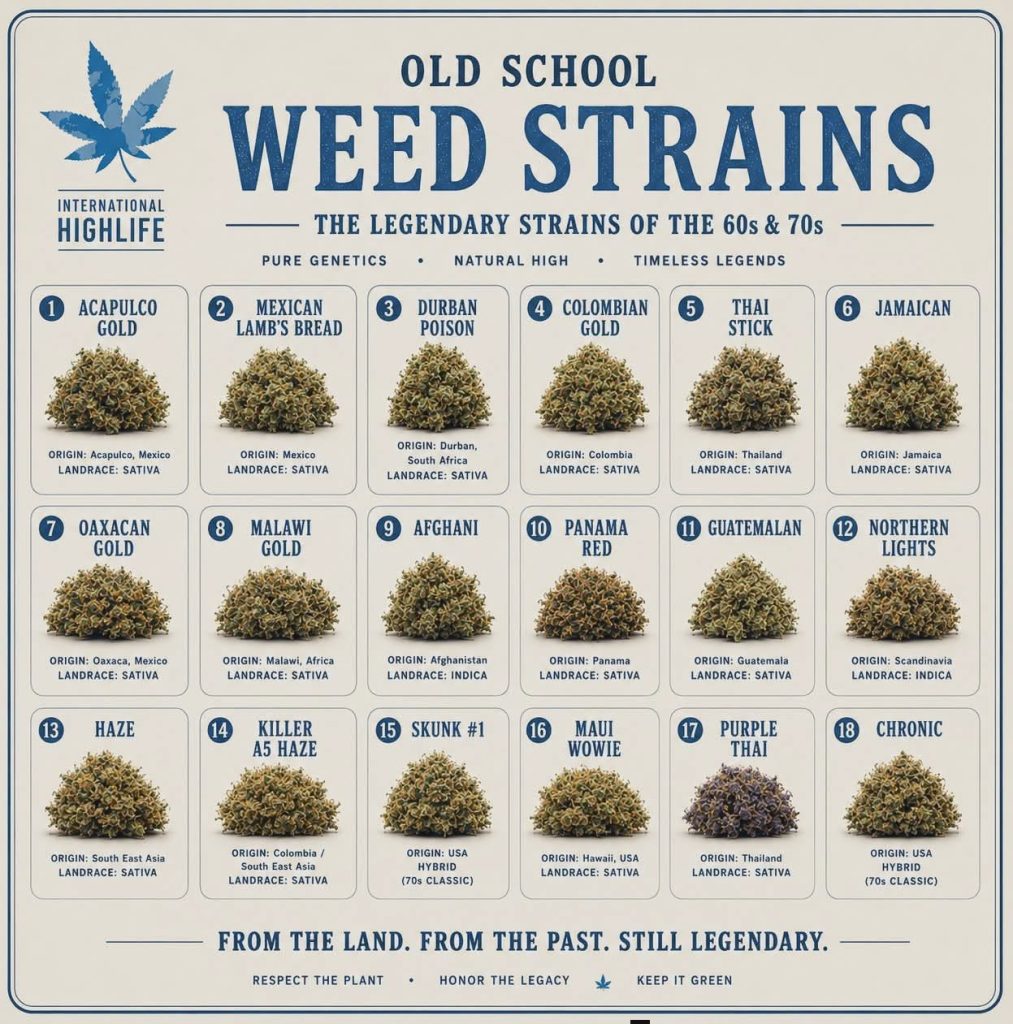
The cannabis market may be dominated by modern hybrids, but the classic strains of the 70s, 80s, and 90s remain the backbone of cannabis genetics.
Skunk #1 provided stability and hybrid vigor.
Durban Poison preserved one of the world’s finest African sativas.
Haze delivered the blueprint for modern cerebral cannabis.
Afghani contributed resin production and indica characteristics.
Colombian Gold introduced uplifting tropical genetics that continue to influence breeding today.
For breeders, growers, and cannabis enthusiasts, understanding these classic cultivars is essential to understanding the history of cannabis itself. Every time a new strain is released, there is a good chance that somewhere in its family tree lies one or more of these legendary genetics.
As the cannabis industry continues to evolve, preserving these foundational strains ensures that future generations can appreciate the genetics that built modern cannabis culture.


